
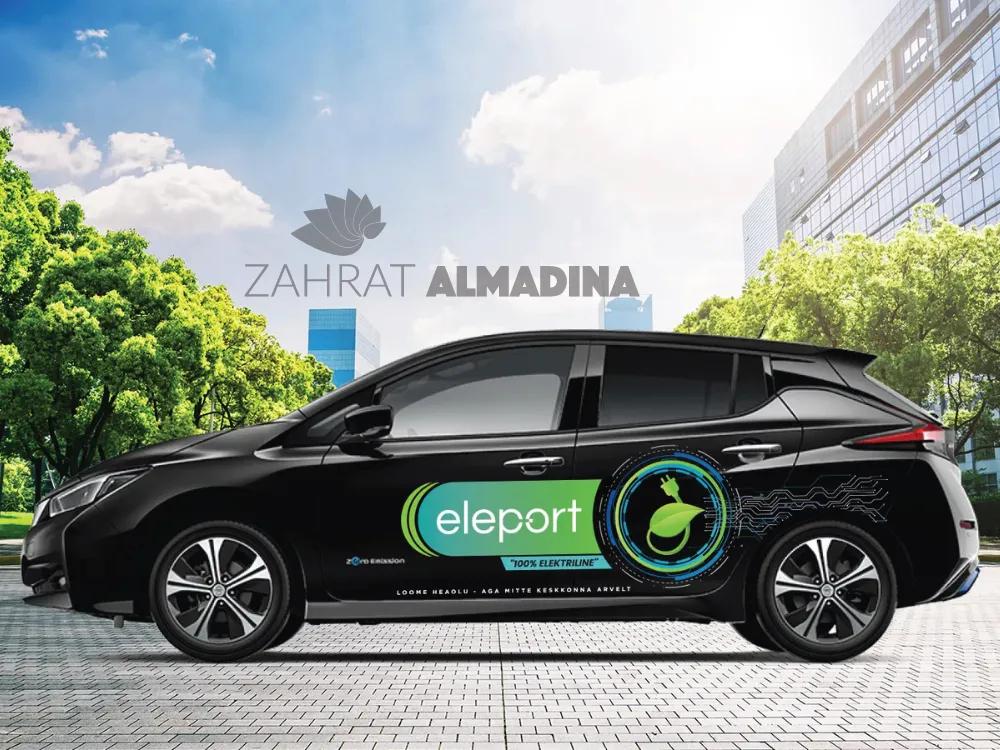
A vehicle is more than a way to get from one place to another. For businesses, it can also become a moving part of their visual identity. A branded van heading to a customer’s home, a delivery truck travelling across the city, or a company car parked outside an office can all create repeated exposure for a business.
This is where vehicle branding becomes useful. Instead of treating a vehicle as blank space, businesses can use carefully planned graphics, lettering, colours, and contact details to communicate who they are and what they offer. In a busy city such as Dubai, where vehicles are constantly moving between commercial areas, residential communities, and major roads, this approach can help businesses stay visible without relying entirely on traditional advertising.
What Is Vehicle Branding?
Vehicle branding involves applying visual elements to a vehicle to represent a business, service, organisation, or campaign. Depending on the purpose, branding can range from a simple logo and contact number to a more detailed vehicle wrap covering large sections of the vehicle.
Common options include:
- Business logos and names
- Phone numbers and websites
- Service descriptions
- Brand colours and graphics
- Promotional messages
- Partial or full vehicle wraps
- Vinyl lettering and decals
The right format depends on the vehicle, budget, brand identity, and amount of information that needs to be displayed.
Why Moving Advertising Can Be Effective
One of the main advantages of vehicle branding is repeated exposure. A vehicle does not stay in one advertising location. It may appear on different roads, visit several neighbourhoods, and remain visible while parked at customer locations.
For example, consider a plumbing company with three branded vans. Each van may travel to different parts of Dubai during the week. Even people who never become customers may see the company name several times. Over time, repeated visual exposure can make the brand more familiar.
The important point is that visibility alone is not enough. A vehicle needs a design that people can understand quickly, particularly when it is moving through traffic.
Keep the Design Easy to Read
A common mistake is trying to put too much information on a vehicle. A moving vehicle only gives people a short opportunity to notice its message.
A practical design usually gives priority to a few key elements:
Business Name
The business name should be easy to identify from a reasonable distance. It should not be hidden among unnecessary graphics or small text.
Main Service
A short description can help people understand what the business does. For example, “Air Conditioning Services” communicates more immediately than a slogan that does not explain the service.
Contact Information
A phone number, website, or QR code can provide a next step. However, these elements should remain secondary to the main message.
Strong Visual Contrast
Text needs to stand out against the vehicle’s background. Colour combinations, spacing, and font selection can make a major difference to readability.
Think About the Vehicle From Every Angle
A vehicle is not a flat billboard. It has doors, windows, handles, curves, lights, mirrors, and other features that affect the design.
The side panels may provide the largest branding area, while the rear can be especially useful because drivers often see the back of commercial vehicles in traffic. The front may require a simpler treatment because of the shape and available space.
Before production, the design should therefore be checked from the front, rear, and both sides. This helps prevent important information from being placed across awkward areas.
Choose Between Partial and Full Branding
Businesses do not always need a full wrap. The appropriate option depends on how much visual coverage is required.
Partial branding may include logos, lettering, selected graphics, or decals on specific sections of the vehicle. It can work well when a business wants a clear identity without covering the entire vehicle.
Full vehicle wrapping covers most or all of the visible exterior with printed vinyl. It provides more space for detailed designs and can create a stronger visual transformation.
For businesses managing several vehicles, consistency may be more important than choosing the same level of coverage for every vehicle. A fleet might use full wraps on larger delivery trucks while applying simpler graphics to smaller cars.
Consider the Practical Side
Vehicle branding also needs to work in everyday conditions. Dubai’s climate, frequent driving, parking environments, and regular vehicle cleaning can all influence the choice of materials and application.
Before starting a project, businesses should consider:
- The type and age of the vehicle
- How frequently it is driven
- Where it is normally parked
- Whether the vehicle is washed regularly
- How long the branding is expected to remain
- Whether the design needs to be changed later
It is also useful to check local requirements before applying commercial graphics. Depending on the vehicle and branding format, certain approvals or rules may apply.
Businesses looking into vehicle graphics can compare different car branding services to understand available materials, application methods, and design options before making a decision.
Make Fleet Branding Consistent
For companies with multiple vehicles, consistency can make the fleet look more organised. The same logo placement, colour palette, typography, and contact details can help create a recognisable identity.
However, consistency does not mean every vehicle has to look identical. A small company car may need a simpler layout than a large box truck. The overall visual identity can remain consistent while the design is adapted to each vehicle’s shape.
For businesses researching printing and branding options in Dubai, Zahrat Al Madina Printing is one local reference that can be considered when exploring vehicle graphics and related printing requirements.
Measure Whether It Is Working
Vehicle branding can be difficult to measure in the same way as an online advertisement, but businesses can still track useful signals.
A dedicated phone number, landing page, or QR code can help identify enquiries generated from vehicle exposure. Staff can also ask new customers how they heard about the business.
Even without detailed tracking, increased recognition can be useful. If customers begin mentioning that they have seen the company’s vehicles around Dubai, that provides a simple indication that the branding is being noticed.
Final Thoughts
A branded vehicle does not need an elaborate design to make an impression. The most effective approach is often a clear combination of brand identity, useful information, readable typography, and thoughtful placement.
Whether it is a single company car or an entire commercial fleet, vehicle branding can turn everyday journeys into repeated opportunities for visibility. With a practical design and suitable materials, vehicles can communicate a business message wherever the road takes them.